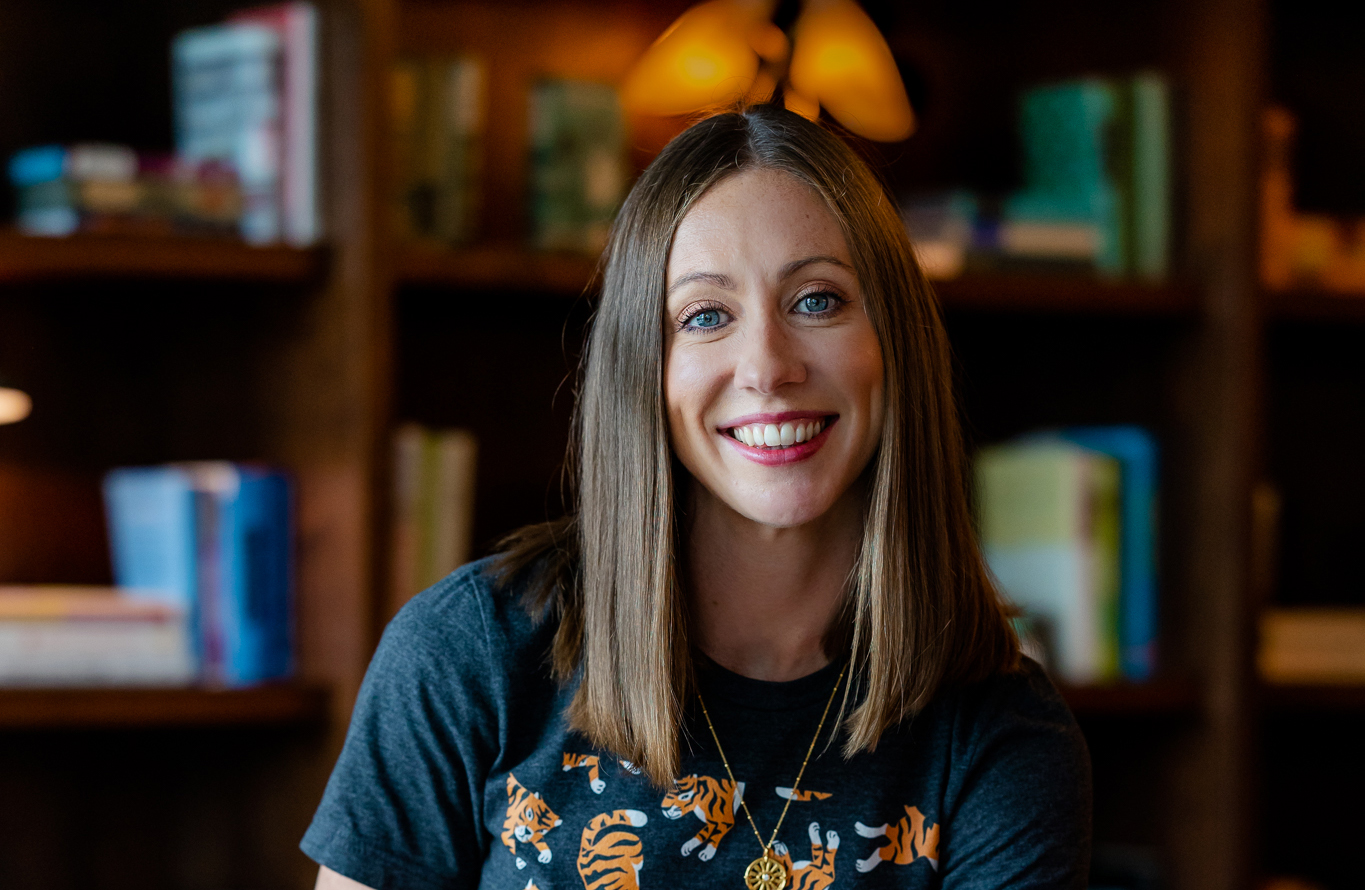
Our Brand Futures Director, Nat Moores, has read the reports, done the doom-scrolling… and put the puzzle together – so you don’t have to. This piece initially appeared in Little Black Book here.
So, how are those New Year Resolutions going? Switched the smoothie maker on yet? Taken your new gym pass for a spin? This is your year. The year you’re going to be so ‘on it’. You bookmarked all those trend reports, remember? Promised you’d grab a coffee and studiously click through 86 tabs of deep thinking. New Year, New You.
If those tabs are currently gathering a thick layer of dust in a browser you keep minimising, you’re not alone. Even if you have managed to wade through a few, the real challenge isn’t the reading part, it’s the digestion. Making sense of what it all means when even the culture of trend forecasting has changed so much that Marian Salzman (who has been doing it since 1994) decided not to even bother writing one this year, because everything is now always happening all at once all the time.
Well, we’re here to tell you to close those tabs with confidence. We got you. We’ve done the heavy lifting and the heavy thinking. We’ve spent the first couple of weeks of 2026 gobbling as many reports as we can, and turning these observations into opportunities for your brand to win in this new ‘never-normal-chaos-storm’ that we’re sure this year will turn out to be.
1. Whimsy as differentiation
The internet is exhausted with “unhinged.” When the world feels impossible to control, seeking delight in small, seemingly unimportant things becomes a powerful response to a world in constant flux.
When the macro feels overwhelming, silly little small things suddenly have more merit. We’re watching culture shift away from chaos-for-chaos’-sake toward something more intentional: aesthetics that look like they’ve been plucked from a Dr Seuss story, crafted weirdness, playfulness with purpose. It’s not about being random, it’s about finding joy in the details you can control. Brands are catching on. Luxury leaders like JW Anderson’s pigeon clutch and Louis Vuitton’s dolphin bag aren’t trying to make sense, they’re sending a message (cultural carrier pigeon anyone?).
What this means for you: Pitch playful angles to cut through journalistic fatigue. Embrace surrealist art direction in social creative. Partner with whimsical talent who bring joy, not just reach. Inject delight into internal comms, company updates don’t have to be corporate grey.
2. Niche intimacy over mass reach
In the “affection economy,” going deep with the right people beats going broad with everyone.
83% say brands should facilitate people-to-people connections (Mintel), and culture is showing us how. We’re seeing the rise of “alt raves“, intimate, values-aligned gatherings where the crowd is curated and the vibe is sacred. Nano creators are celebrating deeply niche obsessions (the Tube Station World Cup guy isn’t trying to be Mr. Beast, and that’s the point). Even walking tours are having a renaissance, but hyper-specific ones, like exploring London through the eyes of someone who’s experienced homelessness. People want context, intimacy, depth. Brands are responding by building infrastructure for this. Nike’s Calisthenics partnership was a return to authentically engaging with a subculture that feels celebratory, not exploitative.
What this means for you: Target niche publications that house true fandoms over mass outlets. Make community management more important than content calendars. Partner with micro-influencers who are already community leaders and make a real effort to make them feel appreciated. Support employee resource groups as connection infrastructure.
3. Realness as algorithmic resistance
As AI makes the output easier (and harder to detect if it’s ‘human’ or not), visible effort is the new proof of human origin.
Messiness, lack of control, behind-the-scenes vulnerability, these are becoming the signals audiences look for to verify something was made by an actual person. There’s nowhere to hide on a livestream. We’re watching artists return to craft and friction: Rosalía spending years making an album in 13 languages. Lily Allen’s oil painting album artwork for West End Girl. The rise of one-shot take shows like Adolescence or long uninterrupted shots in The Rehearsal, that showcase technical mastery and human vulnerability simultaneously. Brands are leaning into this. Apple shunned AI to showcase how they created their latest logo design, a deliberate choice to highlight craft over convenience. McDonald’s New Year campaign went totally unpolished, trading gloss for genuine human moments (hangovers).
What this means for you: Tell founder and employee stories with real perspective. Embrace live-streaming and unpolished behind-the-scenes content. Build long-term creator ambassadors, not one-off campaigns. Make leadership genuinely visible, not just polished.
4. Brands as vibe systems
In the AI era, visibility = consistency of vibe. If someone can recognise you in a screenshot without seeing your logo, you’ve won.
Human brains are good at recognising patterns even when execution varies. Artificial brains need more explicit consistency. So if you want to remain visible in the AI era, vibe coherence becomes your competitive advantage. We’re seeing this play out in pop: Sabrina Carpenter, Charli XCX, Ariana Grande have mastered instant visual recognition from a series of visual and vibe-based codes (you’d recognise that ponytail anywhere). It’s not about rigid rules; it’s about a coherent sensibility that permeates everything. Brands are putting this into practice. Spotify Wrapped delivers personalised data to millions, but it’s unmistakably Spotify. Liquid Death’s casket cooler with YETI is completely unexpected yet totally on-brand. Art direction > artefacts.
What this means for you: Maintain consistent POV across all stories, not rigid talking points. Create screenshot-worthy social content that’s instantly recognisable. Partner with creators who embody your vibe, not just your demographics. Give teams visual flexibility within coherent sensibility and strip back sign off processes.
5. Experience architecture
People are front-loading fulfilment into NOW rather than deferring to an uncertain future. Rich experiences are the new luxury goods.
Millennials are prioritising making memories over topping up their pensions. Bookings for workshops are up 59%, and 31% of Gen Z would rather come home with a new skill over a souvenir (Get your Guide). And it’s not just the young, as traditional life stages are dissolving, longevity and fluid milestones are creating an “extended middle of life” where fulfilment is no longer front-loaded into youth or deferred to retirement. The optimisation era promised efficiency but delivered exhaustion, and now there’s a counter-movement emerging. People want to do things richly, slowly, memorably rather than quickly and efficiently. Brands are building memory-making infrastructure in response. Airbnb’s property takeovers (Barbie Dreamhouse, X-Men mansion) aren’t about booking a room; they’re about creating stories people tell for years.
What this means for you: Create experiential press events, not information dumps. Design one rich, well-documented activation instead of 30 generic posts. Co-create experiences with creators, not just content deliverables. Build employee moments that create genuine connection, not more meetings.
OK, but what does it all mean?
So after sifting through hundreds of hot takes, tons of trend reports and scrolling like our lives depended on it, what’s the one consistent theme we’ve seen that can help you in where you point your brand this year?
Well, here’s what all five trends are really telling us: the brands that win in 2026 will be the ones who dare to be illegible to the algorithm in order to remain legible to the humans behind it.
Think about it. Whimsy can’t be A/B tested. Niche intimacy doesn’t scale efficiently. Realness needs friction. Vibe systems require intuition over rigidity. Experiences can’t be automated.
We’re at an inflection point. For the past decade, the winning strategy was to feed the algorithm, optimise for reach, automate for efficiency, scale at all costs. But AI has set that playbook on fire.
So what becomes valuable? The things algorithms can’t replicate. Human intuition. Cultural specificity. Intentional friction. Genuine connection. Memorable experiences.
Winning in 2026 means doing things that look inefficient on a spreadsheet but create the kind of affection, recognition, and memory that actually moves markets.
This isn’t a trend. It’s a strategic reset. And if you get it right you’re going to build real cultural endurance that takes your brand to new heights, not just keep treading water and trying to stay afloat.
Because strap in lads, the chaos isn’t going anywhere. But the brands that know how to move through it? They’re going to clean up.